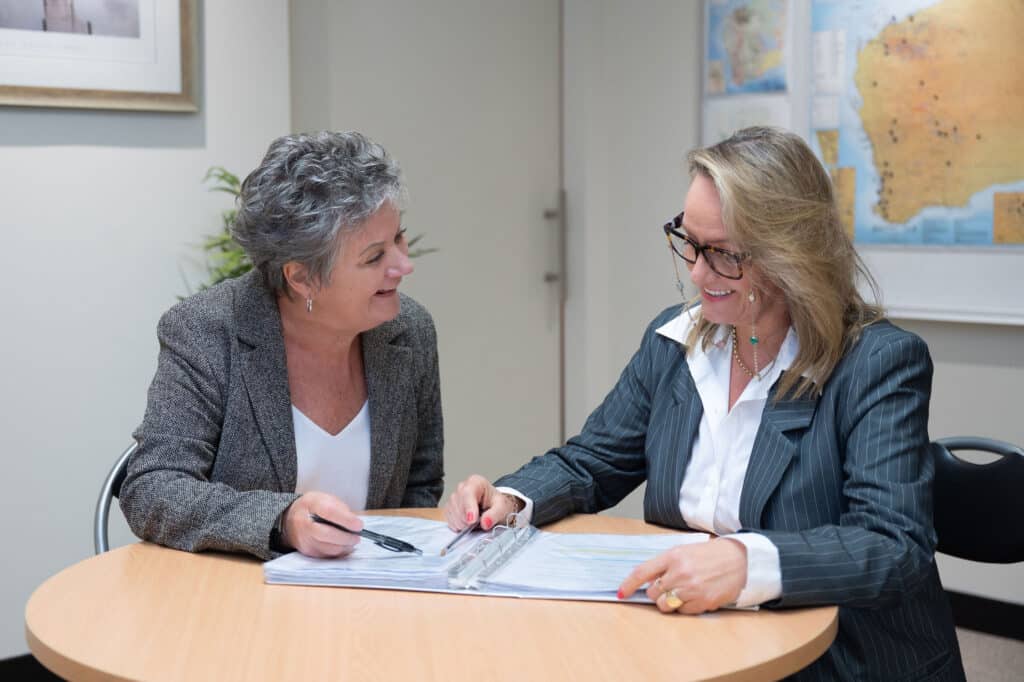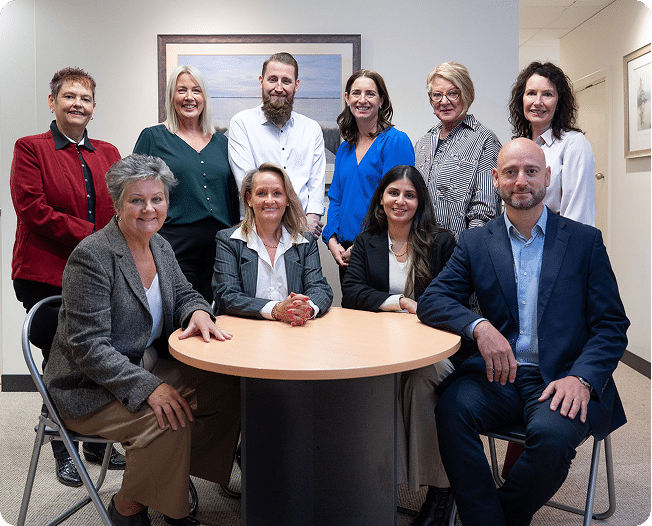



When pressure builds in your workplace, you see it in many ways. Work performance dips, small conflicts grow and people who usually cope well begin to feel overwhelmed. If you lead a team in Darwin or anywhere in the Northern Territory, you want calm, confidential counselling that your employees trust and that you can rely on as a responsible employer. That is where eap counselling darwin with Lifeskills Australia comes in.
We provide an employee assistance program that supports both the person and the organisation. Employees and their immediate family members can access counselling sessions that are practical, compassionate and grounded in evidence based care. Our head office is in Western Australia, yet our services reach across Australia, so your people in Darwin, Alice springs and regional areas can engage with experienced clinicians by phone, secure video or face to face sessions.
Your workplace carries many challenges. Staff juggle family responsibilities, personal life concerns and professional expectations while trying to protect their own wellbeing and health. The aim of an effective employee assistance program eap is simple. You want to enhance safety and mental health, reduce psychosocial risk, and give your team support that actually helps them thrive.
Through this program, employees and their immediate family can talk through various forms of difficulty. That might include stress, depression, anxiety, trauma, grief, relationship problems, addictions, substance misuse gambling, other addictions or conflict at work. Our counsellors, psychologists and social workers understand that work and home are closely linked, and that friends, partners and family members often feel the impact as well.
For many employers, especially larger organisations and government agencies, there is also a clear legal duty to consider. The northern territory government has made mental health and psychosocial risk a priority, and many NT government employees already use an employee assistance program as part of their support. Lifeskills Australia builds similar agreements with private and public sector partners so that every client knows what is funded, what is confidential and how the arrangement protects both person and organisation.
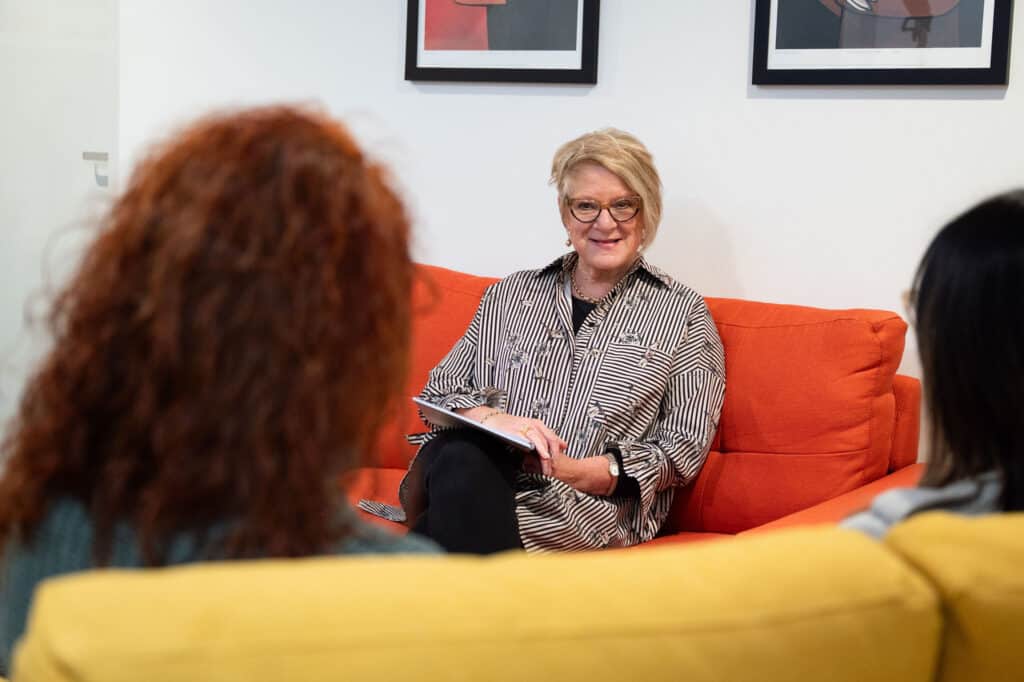
Every person who reaches out to EAP counselling Darwin brings a different story. Some feel pulled between family and professional demands. Others are struggling with work performance, low mood, or worries about money and legal issues. Some feel anxious about the future or are recovering from trauma. Many are trying to balance physical health, mental health and the daily realities of life in this part of the country.
During counselling sessions, people can explore how stress, relationships, addictions or conflict are affecting them. A client might talk about pressures from employers, disagreements with colleagues, changes in role, or concern for dependants at home. Another might focus on family, parenting or caring for elders. Because immediate family and eligible family members can use the service, people do not need to split work and home in an artificial way. They can talk about the whole picture and how it affects wellbeing.
Sessions are confidential and focused on practical outcomes. Clinicians help the person make sense of what is happening, identify resources and decide on next steps. That might involve simple coping strategies, planning a difficult conversation, thinking about referral to other services, or learning ways to manage anxiety and depression. The overall aim is to help people feel more able to cope in daily life and more ready to engage at work.


Once an organisation signs an agreement with Lifeskills Australia, eligible employees and their immediate family members can usually access the program without a formal referral from a manager. They contact us by phone or online, we hear what is happening, and we arrange an appointment at a time that suits. The cost of a set number of sessions is funded by the employer, so within the limits of the program it feels free to use. People do not pay at the time of the appointment when their sessions are covered under their workplace agreement.
For the person using the service, the process is simple. They choose the form of counselling that suits them, whether that is face to face sessions where available, video, or phone based support that fits around work and family. They do not have to wait for months; the idea is to respond before concerns escalate. All discussions are confidential. No personal details from sessions are shared with employers. Any information given back to the organisation is non-identifying and focuses on overall patterns, not individuals.
This structure protects privacy and builds trust. When employees know that counselling is confidential and that their organisation has taken steps to fund and promote the service, they are more likely to engage early, rather than waiting until a crisis forces them to act.
Darwin and the wider Northern Territory present particular pressures. Workplaces often cover large regions, with teams moving between Darwin, Alice Springs and remote locations. Staff may face exposure to trauma, high risk work, community challenges and the strain of distance from family and friends. Employers need an EAP partner with experience across the country, a strong clinical team and a clear range of services.
Lifeskills Australia brings many years of practice in counselling and corporate support. Our counsellors, psychologists and social workers are experienced in workplace issues, family conflict, addictions and mental health concerns. We work with organisations of different sizes to design a program that suits their team, from a small local business to a large organisation that looks a little like a northern territory government structure with multiple agencies and sites.
You gain benefits at many levels. Your people have confidential counselling that helps them manage personal and professional pressures. Your leaders know there is a clear place to refer staff when they are worried about work performance, behaviour or safety. Your organisation can show that it takes mental health, wellbeing and legal responsibility seriously. Most importantly, your team sees that you care not just about their output, but about their life outside work as well.


Darwin and the wider Northern Territory present particular pressures. Workplaces often cover large regions, with teams moving between Darwin, Alice Springs and remote locations. Staff may face exposure to trauma, high risk work, community challenges and the strain of distance from family and friends. Employers need an EAP partner with experience across the country, a strong clinical team and a clear range of services.
Lifeskills Australia brings many years of practice in counselling and corporate support. Our counsellors, psychologists and social workers are experienced in workplace issues, family conflict, addictions and mental health concerns. We work with organisations of different sizes to design a program that suits their team, from a small local business to a large organisation that looks a little like a northern territory government structure with multiple agencies and sites.
You gain benefits at many levels. Your people have confidential counselling that helps them manage personal and professional pressures. Your leaders know there is a clear place to refer staff when they are worried about work performance, behaviour or safety. Your organisation can show that it takes mental health, wellbeing and legal responsibility seriously. Most importantly, your team sees that you care not just about their output, but about their life outside work as well.
If you are an employer in Darwin or elsewhere in the Northern Territory and you want to explore an employee assistance program for your organisation, we are ready to hear from you. You can contact Lifeskills Australia to discuss eligibility, sessions, funding options, benefits and the specific challenges your team faces. We will outline the forms of support available, explain how confidentiality works, and answer any questions you have about how to engage with the program.